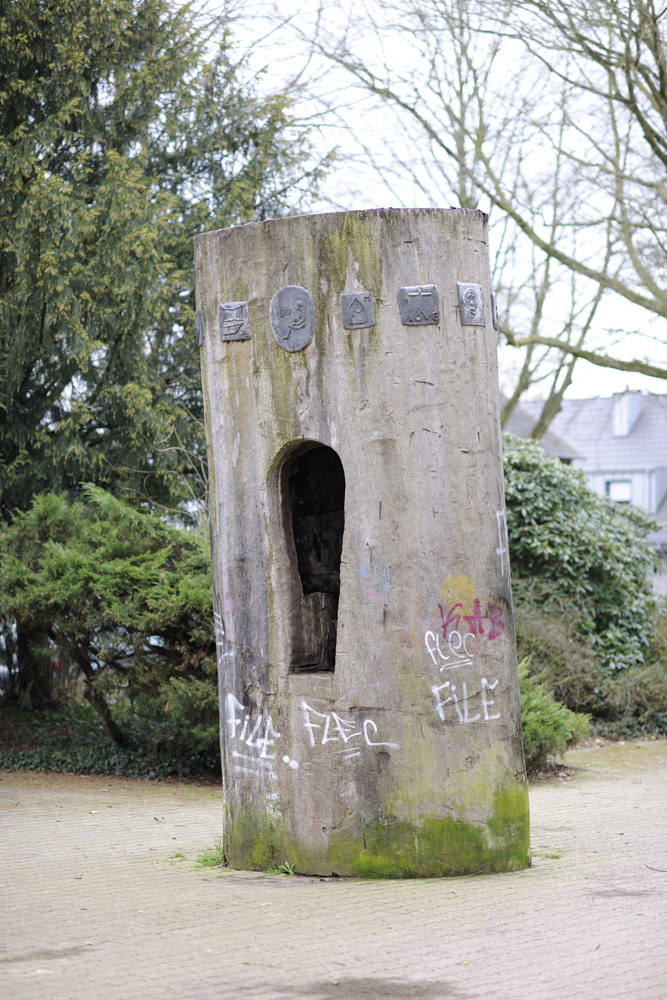
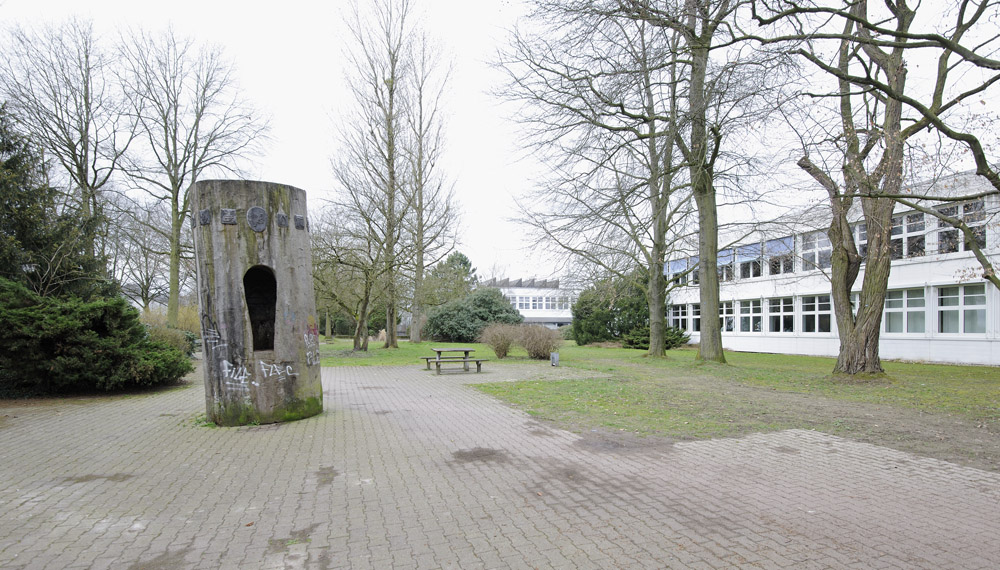
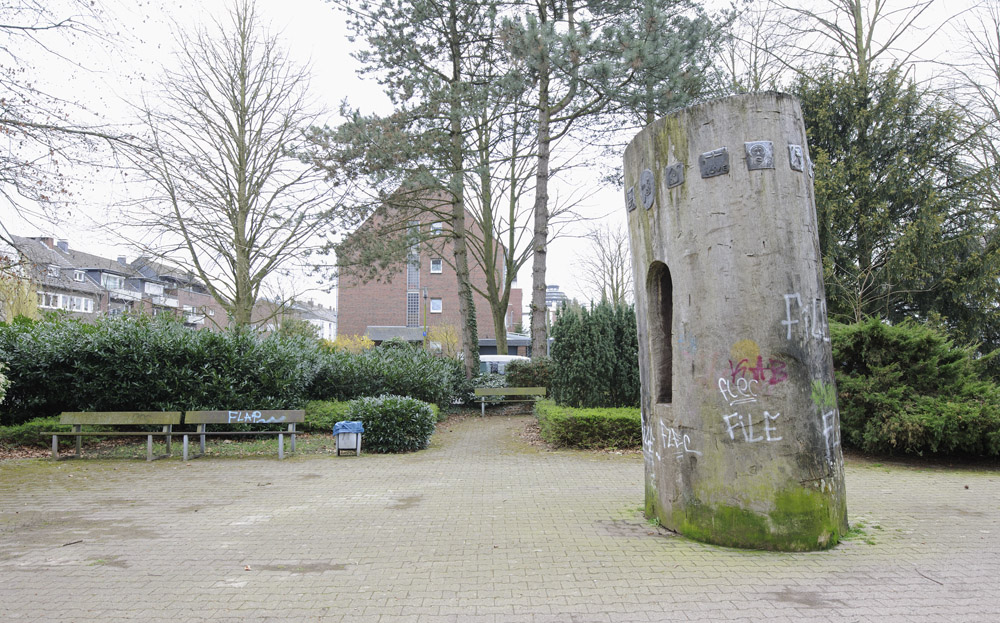
Afrikanerin (Kambala) / African Woman (Kambala)
Ever since his studies at the Kunstakademie Düsseldorf, Anatol has been strongly influenced by his teacher Joseph Beuys and his expanded concept of art. Within the context of his 1969 project Königsstuhl at the Museum Mönchengladbach, Anatol developed the notion of “Arbeitszeit” / “working hours” as a central concept in his art, orienting himself on Beuys’ aim of blurring the lines between art and life. Anatol considers his life and art to be single entity, whereby his works and sculptures represent an aspect of the Gesamtkunstwerk.
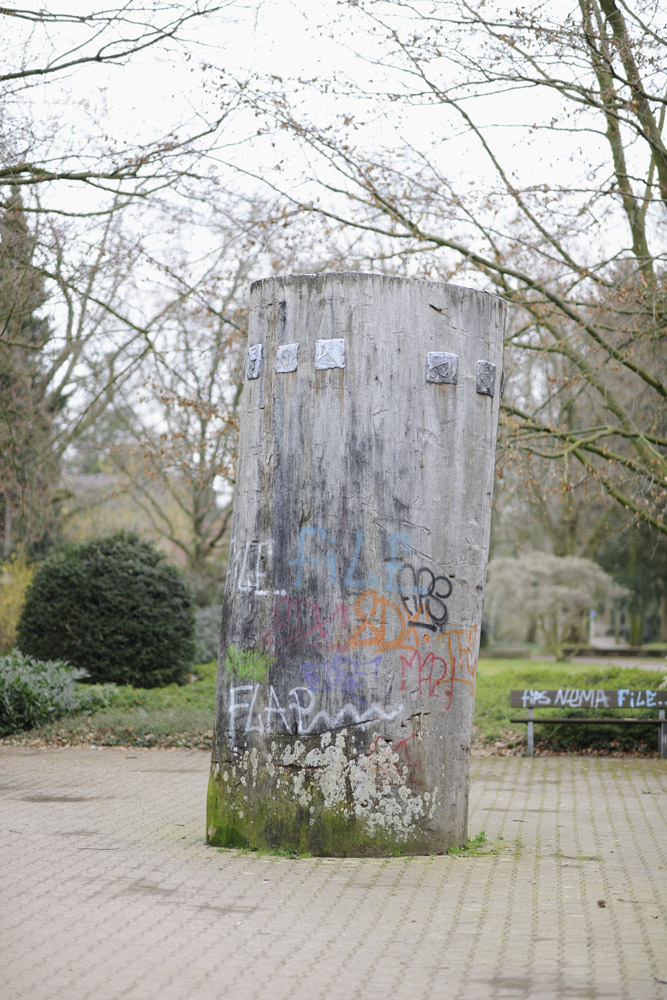
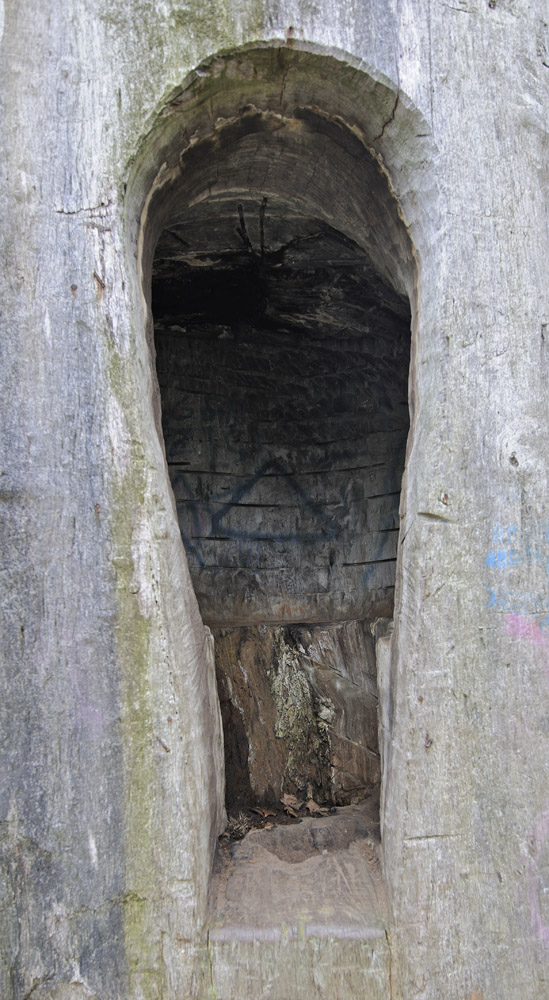
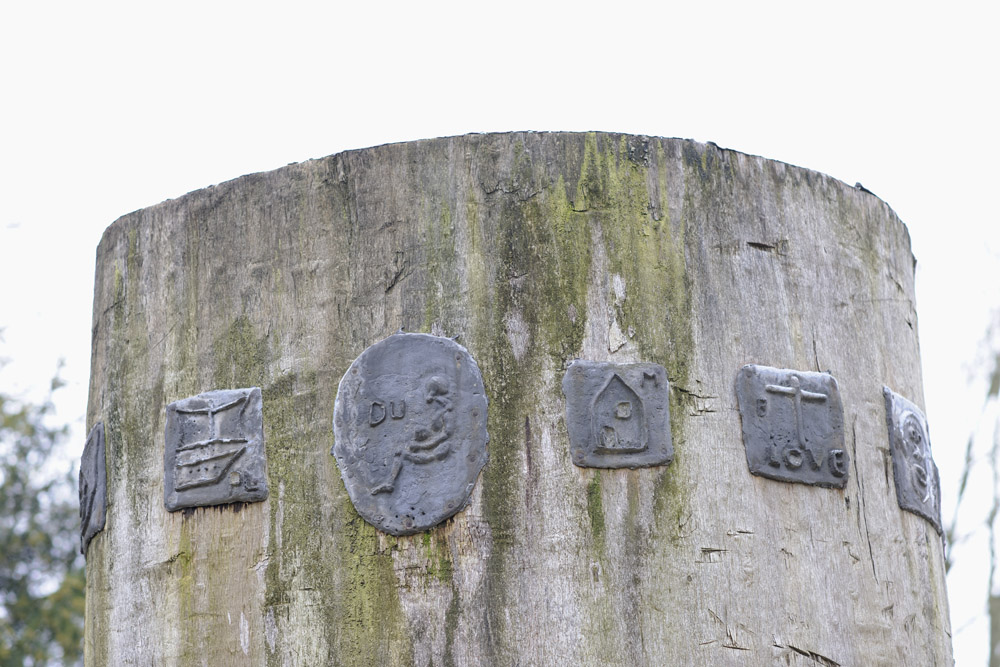
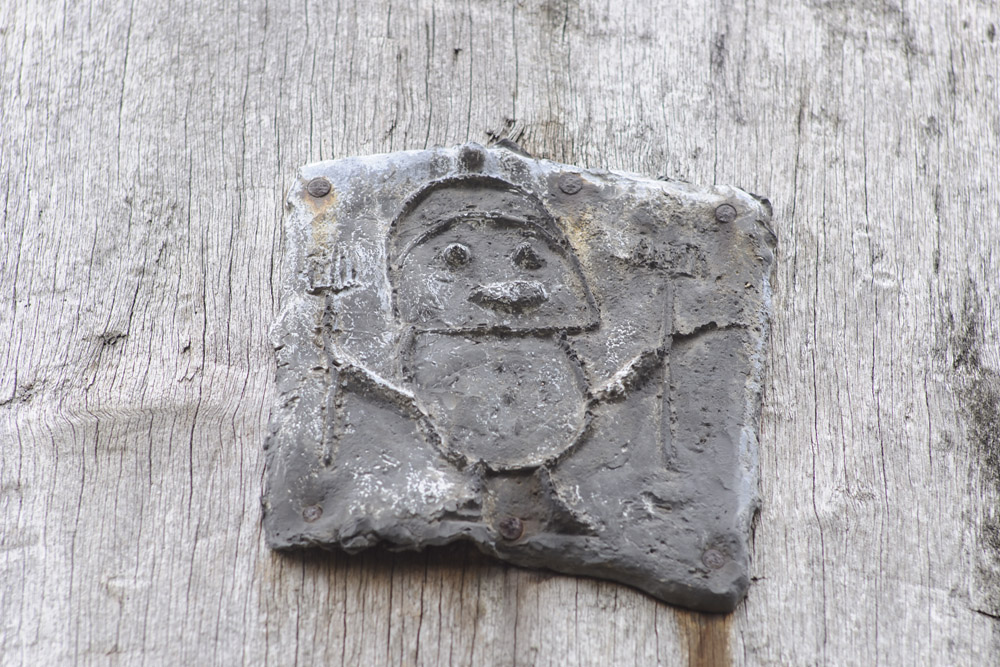
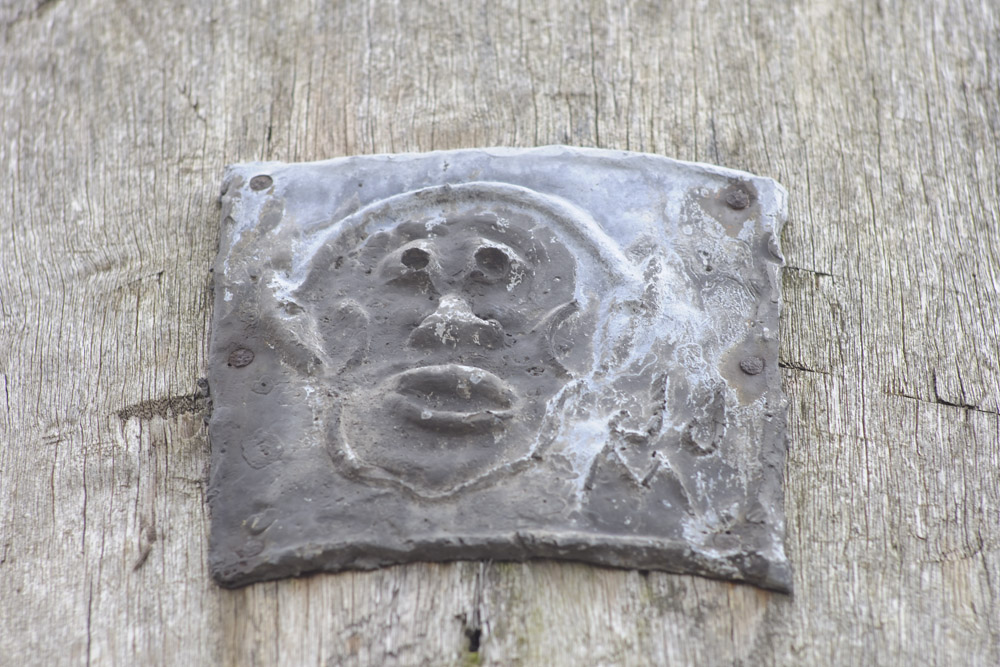
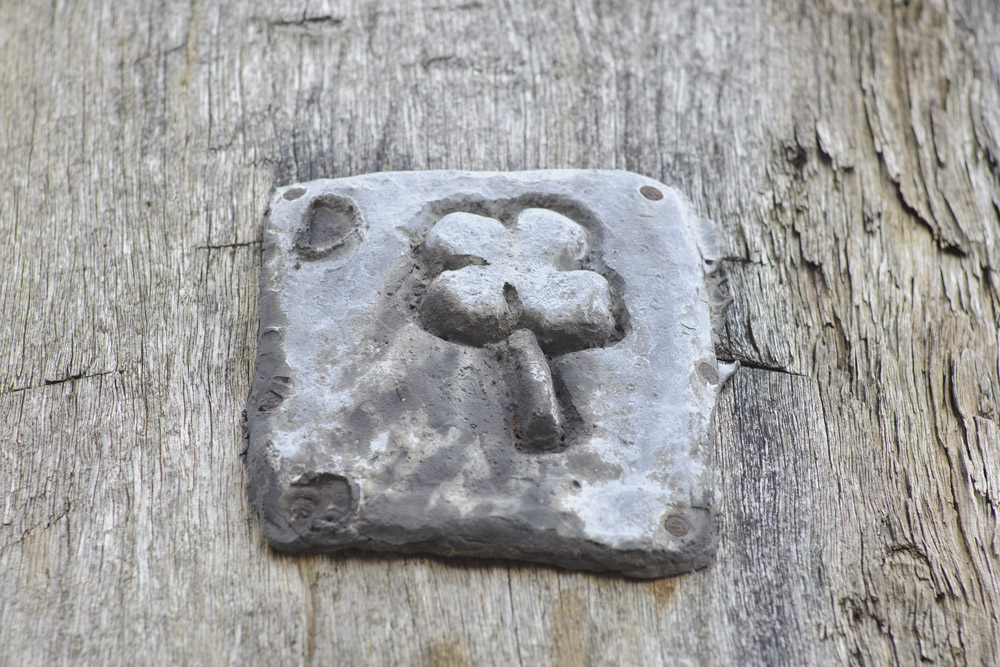
This sculpture is a tall closed wooden body with a round arched opening that is reminiscent of a large, open mouth. There are small rectangular and rounded lead reliefs along the upper area, some of which could be interpreted as eyes. In turn, the sculpture takes on the look of an ancient head, along with associations to tribal art or prehistoric artifacts.
Anatol Herzfeld
← Zur Startseite
Mönchengladbach, Bischöfliche Marienschule, Viersener Straße 209